Understanding the Synthetic Cannabinoid Delivery Method
December 31, 2025The Dangerous Reality of K2 Liquid Spray on Paper: An Educational Analysis
Introduction: Understanding the Synthetic Cannabinoid Delivery Method
In recent years, to Understanding the Synthetic Cannabinoid, a particularly dangerous form of synthetic drug distribution has emerged: K2 liquid spray on paper. This method represents a concerning evolution in how synthetic cannabinoids are marketed, distributed, and consumed. While searches for terms like “K2 sprayed paper rolls” or “buy K2 wholesale paper online” might suggest a legitimate product, the reality is far more hazardous. This educational article examines the technical aspects, health implications, legal status, and public health concerns surrounding these products. Our goal is to provide factual information that helps readers understand why these substances pose such significant risks.
What Is K2 Liquid Spray on Paper?
K2 liquid spray on paper refers to a method of delivering synthetic cannabinoids by applying chemical solutions to absorbent paper products. The process typically involves:
-
Chemical Solution Preparation: Synthetic cannabinoid compounds (such as JWH-018, 5F-ADB, or AB-FUBINACA) are dissolved in organic solvents like acetone or ethanol.
-
Paper Treatment: The solution is evenly applied to paper through spraying k2 on paper using misting devices, dipping sheets in chemical baths, or using industrial coating equipment.
-
Drying and Distribution: The treated paper is dried, often cut into small squares or strips, and packaged for distribution.
The resulting product—sometimes marketed as “k2 infused paper for sale”—is designed to be torn into pieces and smoked, similar to how one might use rolling papers with tobacco or cannabis. The paper serves as both the delivery vehicle and the smoking material.
The Chemical Reality: What’s Actually on the Paper?
Understanding the Ingredients
When examining k2 paper ingredients, consumers encounter deliberate obscurity. Manufacturers rarely disclose specific chemicals, but forensic analyses consistently reveal:
-
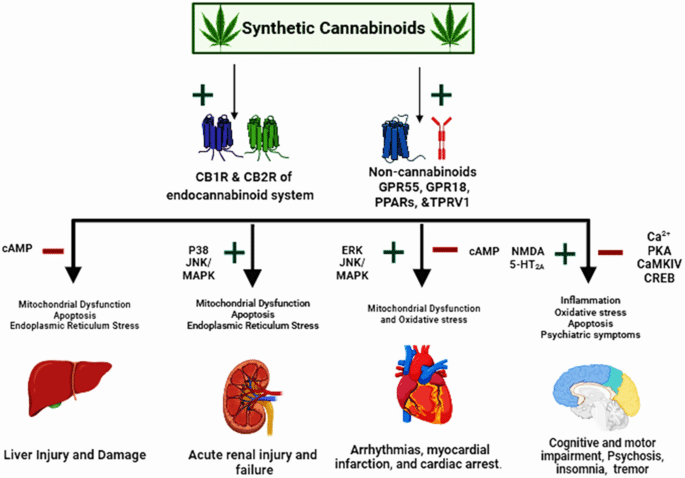
Synthetic Cannabinoid Agonists: Laboratory-created chemicals that bind to CB1 receptors in the brain, often with much greater affinity than natural THC.
-
Solvent Residues: Acetone, methanol, or other industrial solvents that may not fully evaporate.
-
Cutting Agents and Unknown Additives: Substances to increase bulk, enhance absorption, or modify effects.
-
Plant Material Particles: Sometimes added to create the appearance of “herbal” content.
The National Institute on Drug Abuse reports that synthetic cannabinoids found in these products can be 2 to 100 times more potent than THC at binding to cannabinoid receptors, explaining their unpredictable and often severe effects.
Potency Variability and the “Strongest K2 Spray” Myth
Searches for the “strongest k2 spray on paper” reflect a dangerous misunderstanding of synthetic cannabinoids. Unlike regulated substances with standardized potency, these products have:
-
Extreme Batch-to-Batch Variation: Chemical concentrations can vary by 500% or more between batches.
-
Constantly Changing Formulations: As specific compounds become illegal, manufacturers substitute new, often untested analogs.
-
No Quality Control: Production occurs in unregulated settings without safety protocols.
-
Potency Roulette: What’s marketed as “strongest” may contain entirely different chemicals than expected, leading to potentially fatal overdoses.
Health Risks and Physiological Effects
Immediate Dangers
Smoking k2 soaked paper for sale carries acute risks that far exceed those of natural cannabis:
-
Severe Psychotic Episodes: Hallucinations, paranoia, and dissociation from reality that can persist for days.
-
Cardiovascular Emergencies: Rapid heart rate, hypertension, and increased risk of heart attack or stroke, even in young, healthy individuals.
-
Neurological Consequences: Seizures, tremors, loss of coordination, and catatonic states.
-
Respiratory Damage: Inhalation of burning paper and chemical residues can cause lung irritation and damage.
A Journal of Emergency Medicine study documented that synthetic cannabinoid users were 30 times more likely to require emergency medical attention than natural cannabis users.
Long-Term Health Consequences
Regular use presents additional concerns:
-
Cognitive Impairment: Memory loss, reduced executive function, and attention deficits.
-
Psychiatric Conditions: Increased risk of chronic anxiety disorders, depression, and psychosis.
-
Physical Dependence: Withdrawal symptoms including irritability, anxiety, insomnia, and cravings.
-
Organ Damage: Potential kidney and liver toxicity from unknown chemical metabolites.
The Distribution Network: From Wholesale to Retail
Online Marketplaces and Coded Language
Despite being illegal, products marketed as “k2 spice spray on paper” sometimes appear online through:
-
Cryptic Listings: Using terms like “herbal incense paper,” “aromatic blotter,” or “specialty treated paper.”
-
Dark Web Markets: More explicit sales on Tor-based platforms with cryptocurrency payments.
-
Social Media Channels: Encrypted messaging apps and private groups facilitating direct sales.
The search for “buy k2 wholesale paper online” reflects a commercial distribution model where bulk products are divided and resold at substantial markups. A United Nations Office on Drugs and Crime report notes that synthetic cannabinoids have become increasingly commercialized through such distribution chains.
Manufacturing and Quality Control Absence
Production of K2 sprayed paper rolls typically occurs in clandestine settings with:
-
No Sterility Protocols: Risk of bacterial or fungal contamination.
-
Inconsistent Application: Uneven chemical distribution leading to “hot spots” of extreme potency.
-
Toxic Byproducts: Chemical reactions creating unintended, potentially more dangerous compounds.
-
Adulteration: Addition of other psychoactive substances to enhance or modify effects.
Legal Status and Law Enforcement Challenges
Federal and State Regulations
In the United States, synthetic cannabinoids are generally prohibited under:
-
The Controlled Substances Act: Many specific compounds are Schedule I substances.
-
The Synthetic Drug Abuse Prevention Act of 2012: Targeted numerous synthetic cannabinoid compounds.
-
State Analog Acts: Most states prohibit chemicals “substantially similar” to controlled substances.
Despite these laws, manufacturers continuously create new chemical variants to exploit temporary legal loopholes until specific compounds are banned—a regulatory cat-and-mouse game.
Enforcement Difficulties
Law enforcement faces unique challenges with paper-based products:
-
Disguised Appearance: Treated paper resembles ordinary notebook paper, cigarette papers, or blotter art.
-
Minimal Odor: Unlike cannabis, synthetic cannabinoids often have little smell until smoked.
-
Rapid Distribution: Small, lightweight packages are easily mailed with minimal detection risk.
-
Evolving Chemistry: Field tests and detection methods struggle to keep pace with new compounds.
The Drug Enforcement Administration reports seizing thousands of packages containing synthetic cannabinoid-treated materials annually, representing only a fraction of actual distribution.
Societal Impact and Public Health Concerns
Healthcare System Burden
Emergency departments report significant increases in synthetic cannabinoid-related visits, with patients experiencing:
-
Acute Toxicity Syndromes: Requiring extended monitoring and intensive care.
-
Psychiatric Crises: Needing specialized mental health intervention.
-
Resource Diversion: Stretching thin emergency services and toxicology resources.
Criminal Justice Implications
Possession or distribution of k2 infused paper for sale carries severe penalties:
-
Felony Charges: In most jurisdictions for distribution or possession with intent to distribute.
-
Parole/Probation Violations: Leading to incarceration for those under supervision.
-
Collateral Consequences: Loss of employment, housing, and educational opportunities.
Community Safety Issues
Public safety concerns extend beyond users:
-
Impaired Driving: Synthetic cannabinoids significantly impair coordination and judgment.
-
Workplace Accidents: Use during work hours in safety-sensitive positions.
-
Public Disturbances: Psychotic episodes leading to violence or property damage.
Harm Reduction and Educational Approaches
Recognizing Dangerous Products
Consumers should be wary of products with:
-
Vague or Misleading Labels: Terms like “herbal,” “natural,” or “incense” on psychoactive products.
-
“Not for Human Consumption” Disclaimers: Common legal loophole language.
-
No Ingredient Lists: Or lists with unrecognizable chemical names.
-
Extreme Potency Claims: Marketing emphasizing “strongest” or “most potent” effects.
Evidence-Based Prevention Strategies
Effective approaches include:
-
School-Based Education: Age-appropriate information about synthetic drug risks.
-
Community Awareness: Public health campaigns highlighting specific dangers.
-
Healthcare Provider Training: Better recognition and treatment of synthetic cannabinoid intoxication.
-
Alternative Programming: Providing healthy recreational and stress-reduction alternatives.
Treatment and Recovery Considerations
For those struggling with synthetic cannabinoid use:
-
Medical Detoxification: May be necessary for heavy users due to withdrawal severity.
-
Behavioral Therapies: Cognitive-behavioral approaches addressing underlying motivations.
-
Peer Support: Connecting with others in recovery from synthetic drug use.
-
Co-occurring Disorder Treatment: Addressing mental health conditions alongside substance use.
The Role of Technology and Innovation
Detection Advancements
Researchers are developing improved identification methods:
-
Portable Spectrometers: Field devices to identify synthetic cannabinoids on various materials.
-
Mass Spectrometry Databases: Expanding libraries of known synthetic compounds.
-
Biosensor Technology: Potential for rapid, low-cost detection systems.
Online Intervention Strategies
Technology companies are implementing:
-
Algorithmic Detection: Identifying and removing synthetic drug sales listings.
-
Partnerships with Authorities: Reporting illegal distribution networks.
-
Educational Pop-ups: Providing warning information when users search for dangerous terms.
Conclusion: Moving Beyond the Paper-Thin Deception
The phenomenon of K2 liquid spray on paper represents a dangerous intersection of chemical innovation, commercial exploitation, and public health vulnerability. While the method itself—spraying k2 on paper—might seem like a simple technical process, its implications are anything but simple.
Understanding these products requires recognizing several key truths:
-
No Safe Use Exists: Unlike some substances with potential therapeutic applications at controlled doses, synthetic cannabinoids on paper carry unacceptable risks regardless of dosage or frequency.
-
The Market Is Fundamentally Deceptive: From search terms like “k2 soaked paper for sale” to products marketed as incense, the entire distribution chain relies on misinformation.
-
Legal Consequences Are Severe: Despite online availability, these products are illegal and their distribution carries substantial penalties.
-
Health Impacts Can Be Permanent: The neurological and psychological damage from synthetic cannabinoids may not fully resolve, even with abstinence.
Public health approaches must focus on education, prevention, and treatment rather than simply interdiction. By understanding what these products are, how they work, and why they’re dangerous, communities can develop more effective responses to this evolving challenge.
As research continues, one fact remains clear: the temporary psychoactive effects promised by K2 sprayed paper rolls are never worth the potential lifelong consequences to physical health, mental wellbeing, and personal freedom.
References for Further Reading:
-
National Institute on Drug Abuse. (2023). Synthetic Cannabinoids DrugFacts.
-
Journal of Emergency Medicine. (2022). Clinical Presentations of Synthetic Cannabinoid Intoxication.
-
United Nations Office on Drugs and Crime. (2023). Synthetic Drugs: Global Overview.
-
Drug Enforcement Administration. (2023). Synthetic Drugs of Concern.
-
Substance Abuse and Mental Health Services Administration. (2023). Treatment for Synthetic Cannabinoid Use Disorder.